
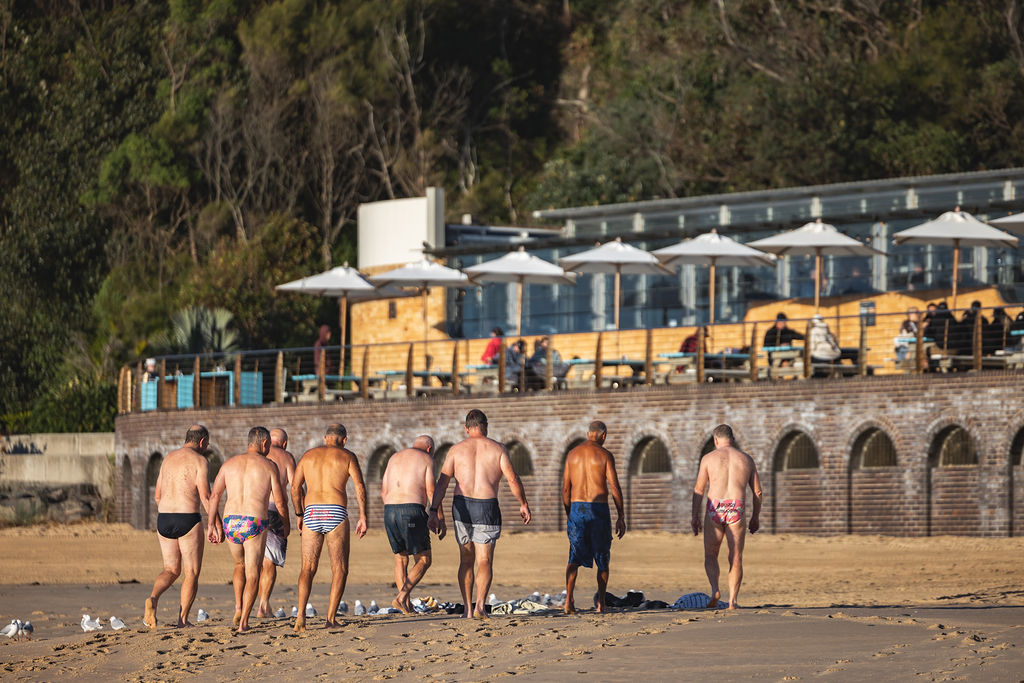
A living funeral, sometimes called a living wake or celebration of life, is a gathering held while a person is still alive, allowing them to be present and participate in the farewell. For some families, this approach offers connection, meaning and shared reflection at a time when saying goodbye feels important.
What is a living funeral?
A living funeral is a planned gathering held before death, often when someone is facing a life‑limiting illness or nearing the end of life. Unlike a traditional funeral, the person being honoured is present and able to share the moment with family and friends.
These gatherings can take many forms, from intimate conversations to larger celebrations. There is no single “right” way to hold a living funeral, what matters is that it reflects the person’s wishes and circumstances.
Why some people choose a living funeral
For some, a living funeral offers the opportunity to:
- Spend meaningful time with loved ones
- Hear reflections, stories or messages while they are still able to listen
- Share gratitude, memories or humour
- Reduce the pressure on family after death
Recent public conversations have brought greater awareness to this option, helping people understand that funerals and memorials do not have to follow a single traditional format. [msn.com]
How living funerals can look in practice
Living funerals may be:
- A small gathering at home or in a familiar place
- A larger event held at a venue meaningful to the person
- Structured with speeches, music or readings
- Informal and conversational
Some people choose to include rituals, cultural elements or symbolic gestures, while others prefer something simple and unstructured.
Planning a living funeral with H Parsons
At H Parsons, we support families who wish to explore non‑traditional funeral options, including living funerals and celebrations of life.
Our role is to:
- Explain what is possible and appropriate
- Help plan the gathering in line with the person’s wishes
- Support logistics, coordination and practical arrangements
- Provide calm guidance without pressure
Living funerals are planned with the same care and professionalism as any other service, while remaining flexible and personal.
What happens after a living funeral?
A living funeral does not replace the need for arrangements after death. Many families choose to hold:
- A private funeral or cremation later
- A memorial service after death
- No formal service at all
H Parsons can help families plan both the living funeral and any arrangements that may follow, ensuring clarity and continuity.
Is a living funeral right for everyone?
Living funerals are not suitable or desired in every situation. Health, personal preference, family dynamics and cultural considerations all play a role.
For some people, a traditional funeral or memorial service remains the right choice. Our role is not to direct families toward one option, but to explain the choices available and support whatever feels appropriate.
Talking about living funerals
Starting conversations about end‑of‑life wishes can feel difficult. Speaking with a funeral director early can help people understand what is possible and make informed decisions without urgency.
Living funerals are one of several ways people are choosin